Published
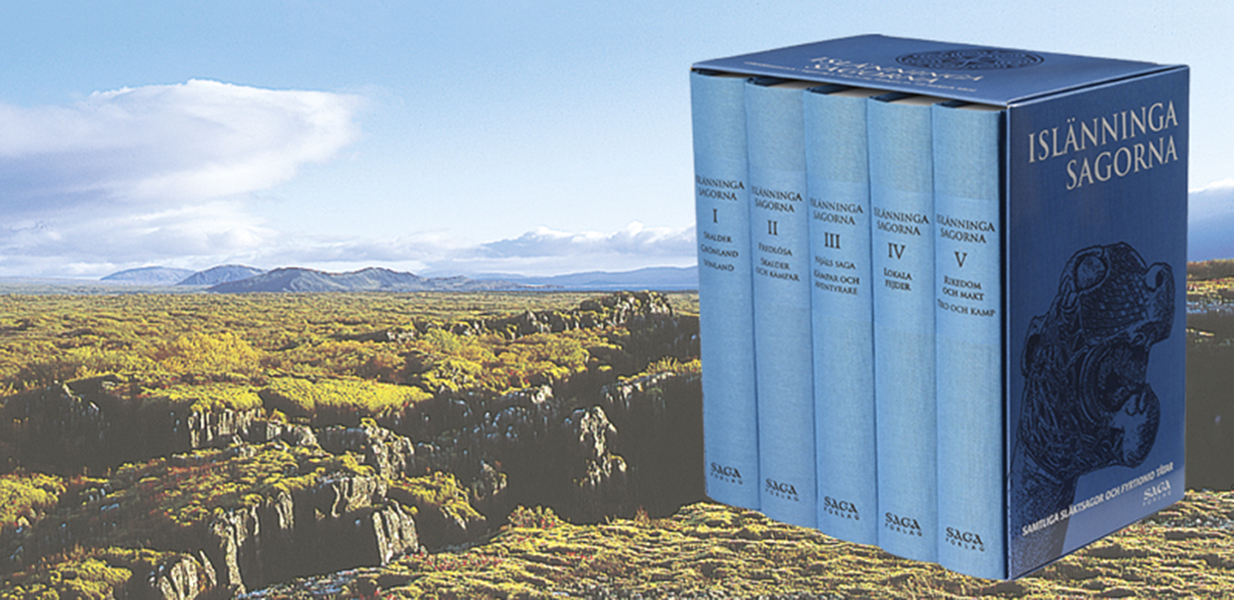
2014-08-29The project began in 2007 after several years of preparatory work. The aim was to raise awareness of fairy tale literature in the Nordic countries, find new readers and revive the reputation of the tales. It also aimed to ensure high-quality translations of Icelandic family sagas into the Nordic languages.
The fairy tales
Icelandic saga literature is really the only truly unique Nordic contribution to world literature. It tells of people and events in Iceland, the Nordic countries and the British Isles at the height of the Viking Age. Some of the stories are thought to have been preserved in oral form since the 8th and 9th centuries, but were not compiled as literary works until the 13th and 14th centuries. Släktsagorna consists of 40 fairy tales and 49 short stories, totaling over 2800 pages in the new five-volume edition. The centuries-old texts deal with modern issues such as honor and honor and relationships between different social groups. Many of the stories deal with the relationship between Nordic kings and Icelandic heroes and poets in their service.
The project
The entire overall Nordic project has been based on scholarship. The basic texts have been examined and evaluated with philological rigor. The work has involved a large number of specialists and has given rise to new scientific questions as the work has progressed. Many scientific problems have been brought to light and clarified. At the same time, the translation work has systematically taken account of recent scientific advances.
The extensive project has had a complicated structure. The project has been managed by Iceland and administered by Saga Förlag in Reykjavík in consultation with several Nordic advisors. The main editorial team consists of specialists closely linked to the Arnamagnæan Institute in Reykjavík, and each country has had editors consisting of eminent scholars in Nordic philology. More than 50 established scholars and translators, ranging from professors to PhD students, have been involved in the translation work.
In Sweden, Kristinn Jóhannesson, former Senior Lecturer in Nordic Languages at the University of Gothenburg, shared responsibility for the Swedish translations with the author Gunnar D. Hansson, former professor of literary interpretation at the University of Gothenburg, and Karl G. Johansson, Professor of Norse Philology at the University of Oslo.
The Saga Project has relied on financial contributions from Nordic and national organizations. Between 2010 and 2013, the project received generous grants from the Torsten Söderberg Foundation, with the National Association Sverigekontakt serving as the fund administrator. These grants were crucial to the completion of the publication.
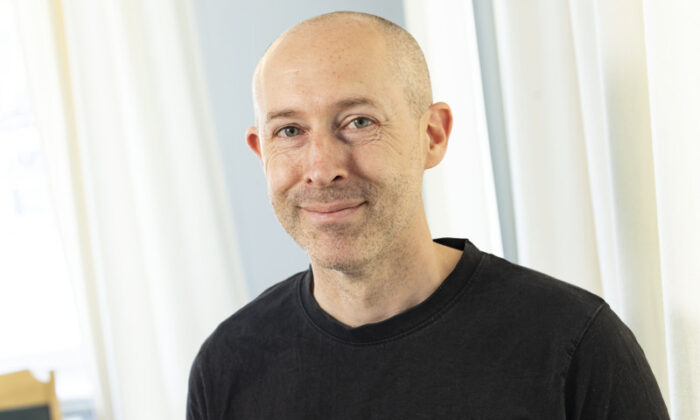
Kristinn Jóhannesson