Published
2021-06-15Updated
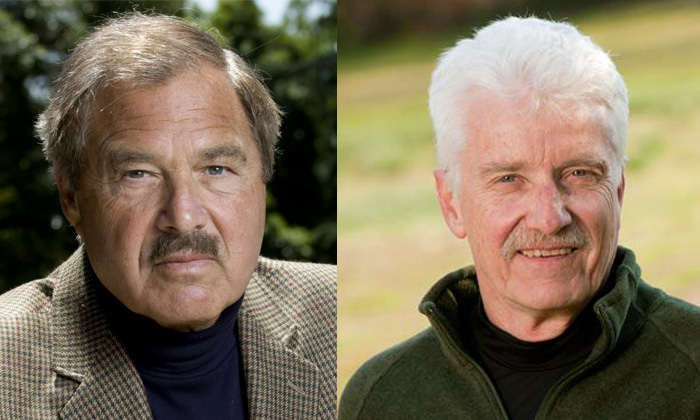
2021-06-23HM The Queen presents the 2020 Stockholm Prize in Criminology to Professors Philip J. Cook and Franklin E. Zimring at a formal digital award ceremony.
They receive the award for evidence-based research on firearm-related violence and the importance of gun laws. The prize money is SEK 1 million. Minister of Justice Morgan Johansson speaks about the relevance to the current situation and the laureates' research is presented. Music from the Golden Hall in Stockholm City Hall.
Watch the award ceremony on June 15 from 19:00 to 19:30, live or afterwards.
Read the program of the award ceremony
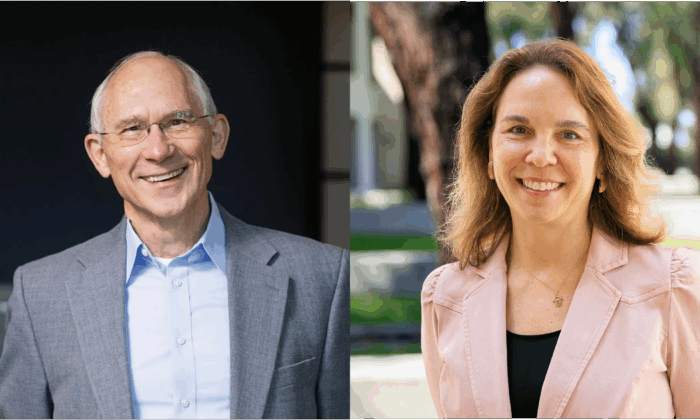
The prize is international and is awarded by the Foundation for the Stockholm Prize in Criminology. Due to the pandemic, the 2020 prize will be awarded in a digital ceremony in 2021. The winners are selected by an international, independent jury led by Professors Lawrence Sherman and Jerzy Sarnecki.
The laureates' research has significantly improved the ability to combat firearm-related violence around the world. For more than five decades, their evidence-based research has highlighted the positive effects of restrictive gun laws, thereby stimulating important policy decisions to limit firearm violence. They have developed important methods to demonstrate and understand the crucial role of firearm availability in relation to the number of deaths and have convincingly refuted the claim that firearm availability does not affect the volume of injuries.
About the winners
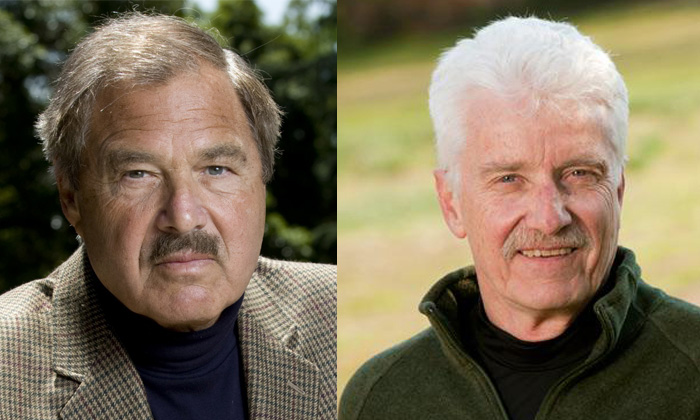
Franklin E. Zimring, William G. Simon Professor of Law at the University of California, Berkeley, USA. In the mid-60s, Zimring and his colleagues proved that violence with different types of weapons resulted in different numbers of deaths per attack. His research also found that homicide statistics had more to do with the availability of firearms than with crime trends. For example, in his book 'Crime is Not the Problem', he demonstrated that violent crime was higher in England than in the US, but that the number of deaths from violent attacks was much higher in the US - which has a far greater number of firearms in private hands.
Philip J. Cook, ITT/Terry Stanford Professor Emeritus of Public Policy Studies and Professor Emeritus of Sociology and Economics, Duke University, Durham, USA. In the 1970s, Cook began work comparing differences in the availability of firearms in the 50 US states. He was able to show that the number of firearm-related suicides was strongly correlated with the availability of firearms in each state. He then created a model that could predict the number of firearm-related deaths in relation to the number of firearms in a given location. The model is now used to study a number of phenomena, including the risk of police officers shooting someone to death.
About the award
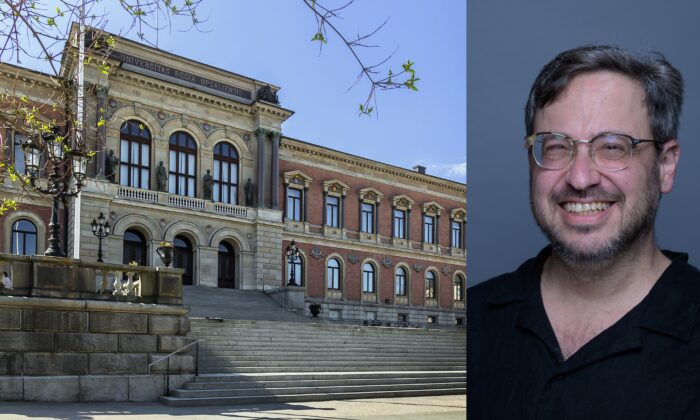
The Stockholm Prize in Criminology is an international award presented annually. The prize is administered by the Stockholm Prize in Criminology Foundation, which was established by the Swedish government and the Torsten Söderberg Foundation. The prize was awarded for the first time in 2006. Several international organizations also make significant contributions to the prize.
It is awarded for outstanding achievements in criminological research or for the practical application of research findings in the field of law enforcement and the promotion of human rights. The independent international jury is chaired by Professors Lawrence W. Sherman and Jerzy Sarnecki. The award ceremony is usually held at Stockholm City Hall in conjunction with the Stockholm Criminology Symposium organized by the Swedish National Council for Crime Prevention (Brå).
The Torsten Söderberg Foundation and the Award