Published
March 11, 2026Updated
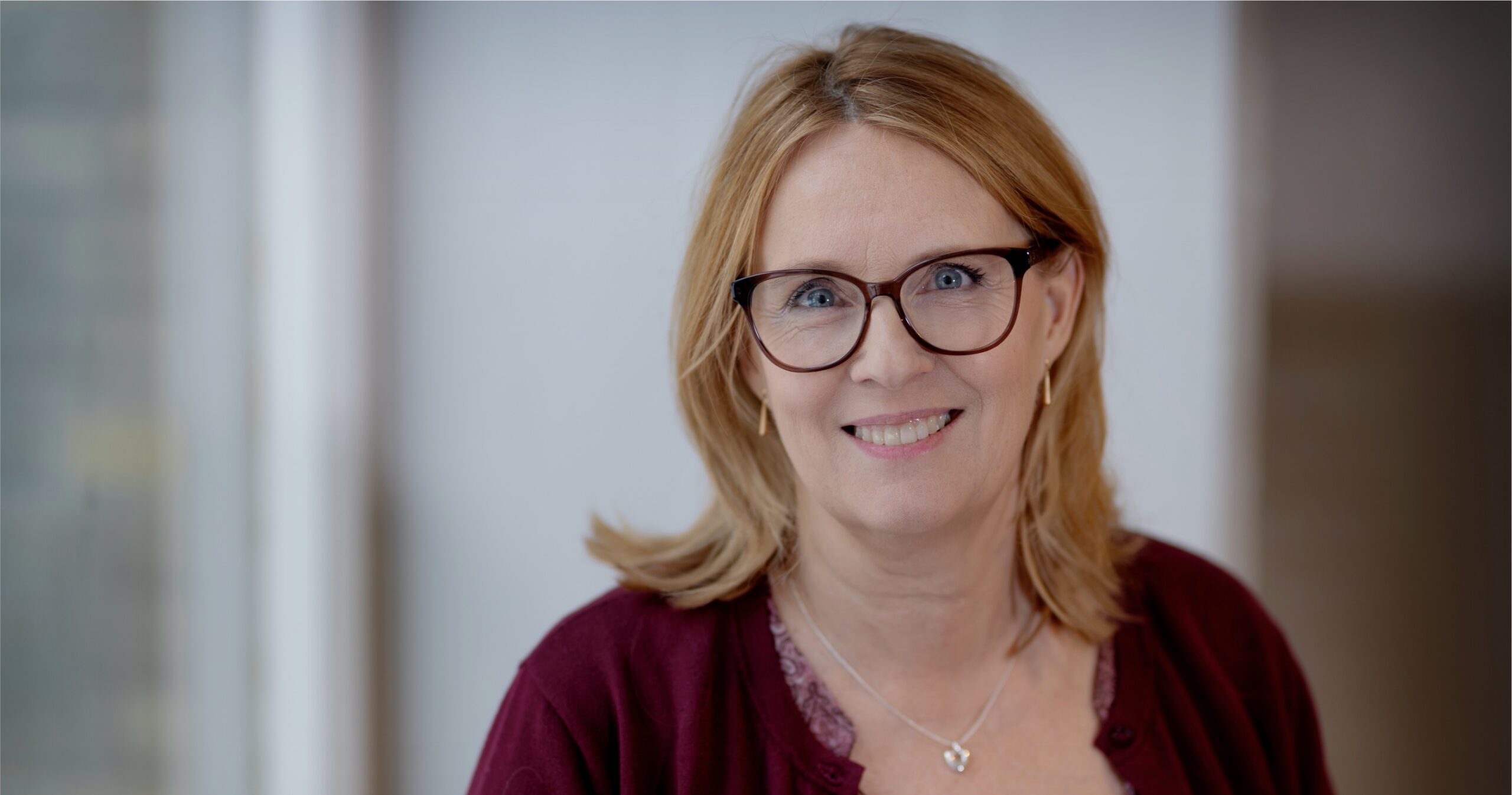
March 11, 2026For a long time, children and young people with hereditary and often fatal mitochondrial diseases have lacked effective treatment. But now, research has taken important steps forward. One of those working hard to develop new treatments is Maria Falkenberg, who is often contacted by clinics around Scandinavia when they encounter these patients and their families.
"There may be children who are born healthy, but after a few months you notice that they are not developing in the same way as others, and they then die quite quickly. Then there is also a group who are healthy until their teens and only fall ill after that," she explains.
Common symptoms of mitochondrial disease are epilepsy, liver and heart problems, and muscle weakness. Each individual mitochondrial disease is rare, but there are many diseases within the group. They are estimated to affect around 1 in 5,000 people worldwide.
For Maria Falkenberg, it began with pure basic research in the early 2000s. Mitochondria are the energy factories of cells and have their own DNA, mtDNA. Each cell has thousands of copies of mtDNA. If too many of these are damaged, the cell loses its function.
Mutations in a specific gene are the most common cause of hereditary mitochondrial diseases. After 20 years of work, the research team began to discern a pattern in the mutations, all of which exhibited the same problem—an important discovery, as it meant that researchers could begin to develop possible treatments for several mitochondrial diseases.
In this development work, Maria Falkenberg and her colleagues, together with a pharmaceutical company, have identified a new substance that can help restore the function of a damaged enzyme in the cell's mitochondria. A drug based on this has begun to be tested on humans in a phase 1 study. The initial results are now being analyzed. There is still a long way to go, but the knowledge that the research is now being clinically tested has meant a lot to the research team.
– We are a fantastic team that works closely together. Now we feel that we have done something that could be significant for patients in the future, and that has been very positive for the whole group.
In this situation, Torsten Söderbergs Academy Chair and the additional 10 million SEK over five years come at just the right time.
“It is so important that we have the opportunity to devote ourselves to this full-time, so that we can understand the details and put the puzzle together. With the help of the chair, I can really focus on research in this area over the next few years, and there are several different ideas we want to test,” concludes Maria Falkenberg.
FACTS
The Torsten Söderberg Academy Chairs promote internationally leading research in the medical field by enabling the holder to devote themselves full-time to research at a Swedish medical faculty for five years. The Torsten Söderberg Foundation donates 10 million SEK to each individual Academy Chair. Five such chairs are currently active. Appointments are prepared and decided by the Royal Swedish Academy of Sciences.
Photo: Malin Arnesson