Published
2023-11-06Updated
2023-11-07What measures society takes against crime and other disruptions to social order - and how - are highly topical issues in Sweden and internationally. This includes, for example, the role of the police. The laureates' research indicates that if, for example, the police apply principles of correct, respectful and open-minded treatment of citizens, including those who break the law, it can lead to reduced propensity to commit crime at the individual level and reduced crime at the societal level.
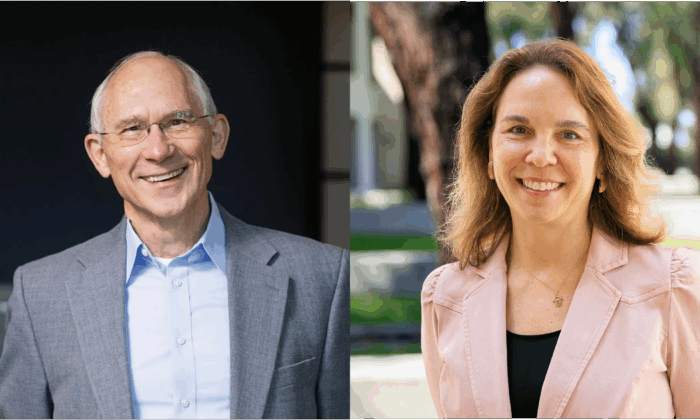
Professor Gary LaFree's research has shown, among other things, that violence in American society declined in the late 20th century in response to national and local reforms designed to address racial discrimination and inequality, while society also expanded education and employment opportunities for the most vulnerable segments of the population. This in turn led to increased and stabilized trust in societal institutions. How different groups perceive the legitimacy of the established society is also linked to the development of terrorist problems. Professor LaFree has innovatively studied the relationship between crime levels in society and the legitimacy of social institutions and has made a significant contribution to our knowledge of terrorism.
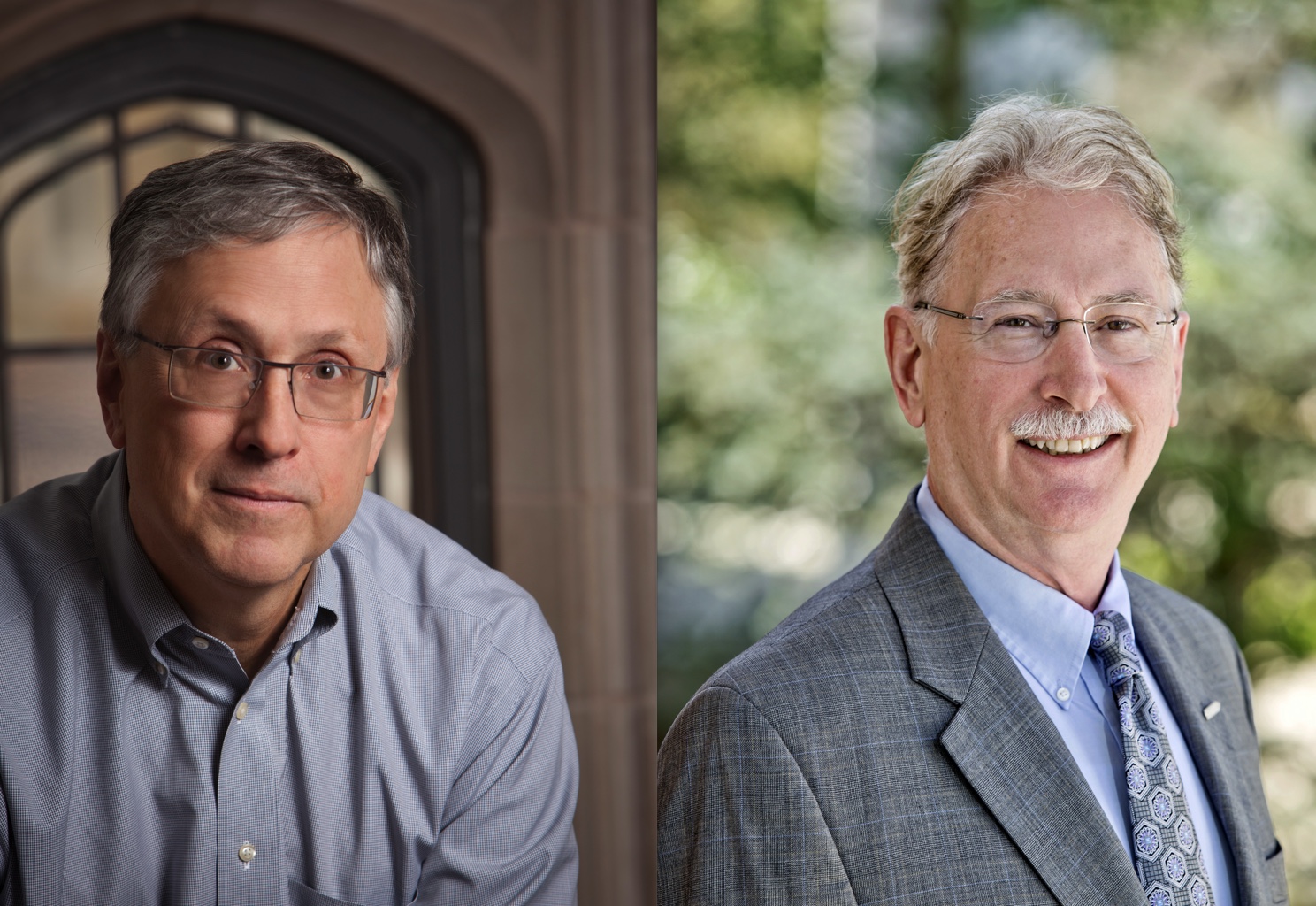
Professor Tom R. Tyler focuses on the interaction between individuals and social institutions, not least the police. His empirical research in Chicago, New York, and elsewhere, as well as successful experiments in training the police in how to deal with the public, have laid the foundation for his theory of procedural justice. It advocates that instead of increased threats of punishment and harsh measures, there should be a greater focus on strengthening the legitimacy of social institutions. One step in this is to build society's response on four basic principles:
- Respect - all individuals are treated with dignity and respect.
- One voice - listening to citizens who want to express their opinions, participate in decision-making processes and provide their own version of relevant facts.
- Neutrality - making impartial decisions guided by consistent and transparent reasoning.
- Credibility - demonstrating that decisions are guided by a desire to meet the needs of those they affect.
Professor Tyler's research has greatly expanded our knowledge of the relationship between individuals' propensity to commit crime and their perceptions of the legitimacy of social institutions, particularly the justice system.
Gary LaFree is a professor of criminology and criminal justice at the University of Maryland (USA) and is the founder of the National Consortium for the Study of Terrorism and Responses to Terrorism and of the Global Terrorism Database, which has documented over 200,000 terrorist incidents. He is a past president of the American Society of Criminology and received his PhD in sociology from Indiana University.
Tom R. Tyler is the Macklin-Fleming Professor of Law and Professor of Psychology at Yale University (USA) and founder of The Justice Collaboratory, a research center dedicated to a theory-driven, evidence-based justice system. He received his doctorate in social psychology from the University of California.
About the award
The Stockholm Prize in Criminology is an international award presented annually. The prize is administered by the Stockholm Prize in Criminology Foundation, which was established by the Swedish government and the Torsten Söderberg Foundation. The prize was awarded for the first time in 2006. Several international organizations also make significant contributions to the prize.
The prize is awarded for outstanding achievements in criminological research or for the practical application of research findings in law enforcement and the promotion of human rights. The independent international jury is chaired by Professors Lawrence W. Sherman and Jerzy Sarnecki. The award ceremony will take place in Stockholm City Hall in connection with the Stockholm Criminology Symposium, organized by the Swedish National Council for Crime Prevention, Brå, in June 2024.
The Torsten Söderberg Foundation and the Award